
Budenovka. The former estate of the Strugach family.
Landmark
Grodno region, Oshmyansky district, Budenovka village, Leiba Strugach St.
Description
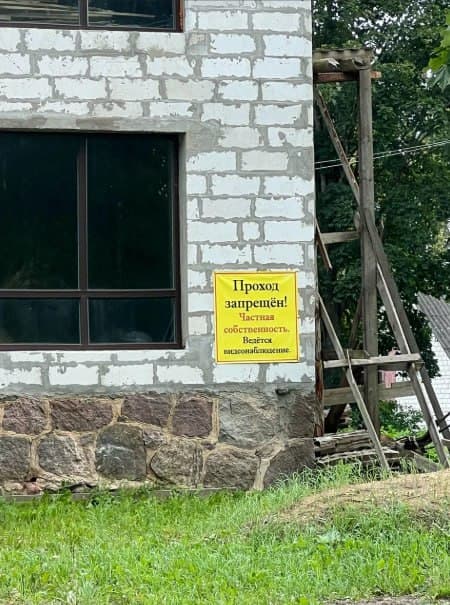
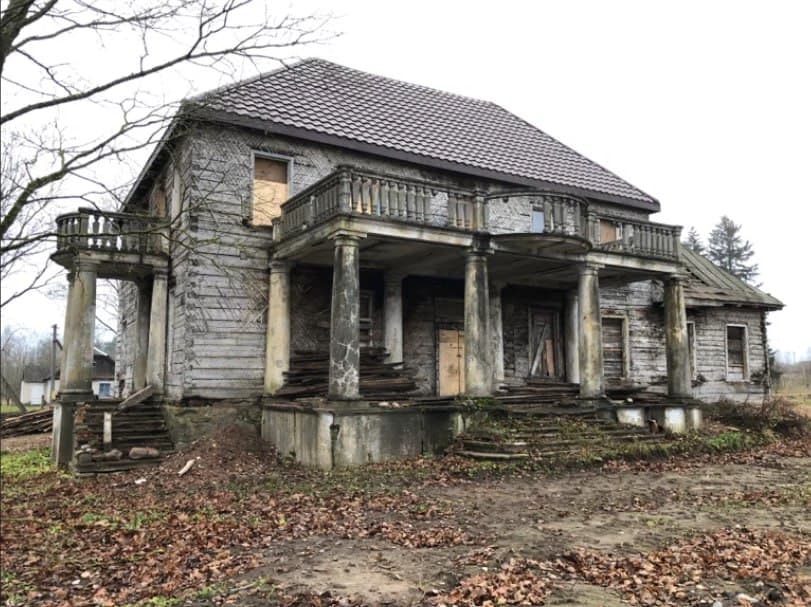
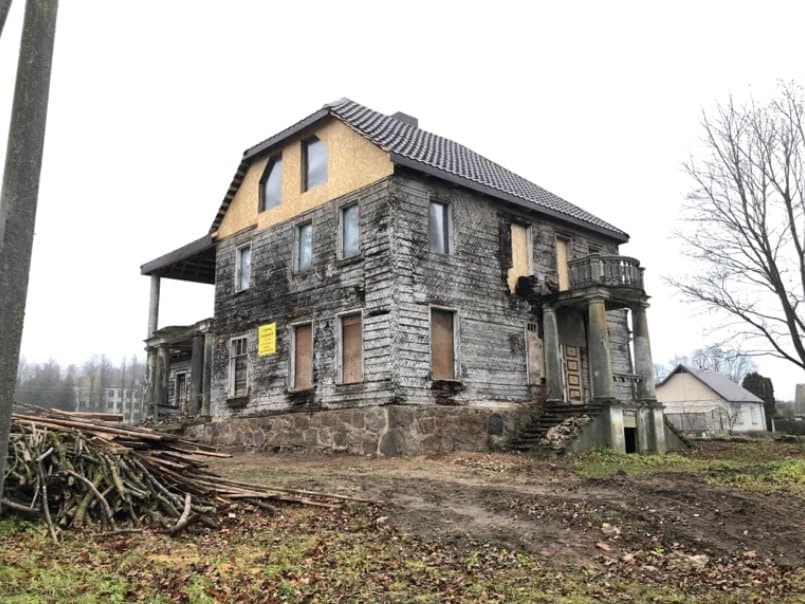
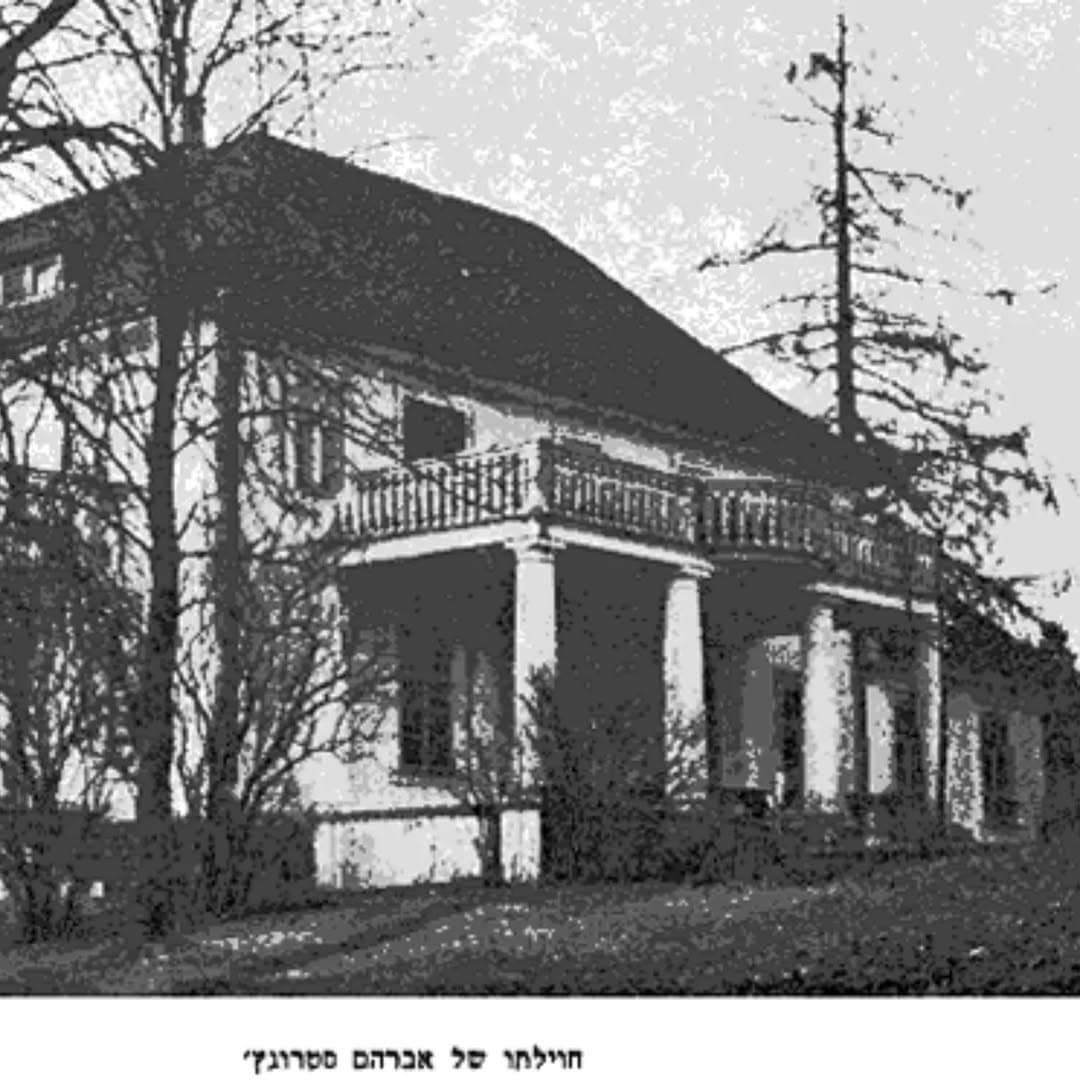
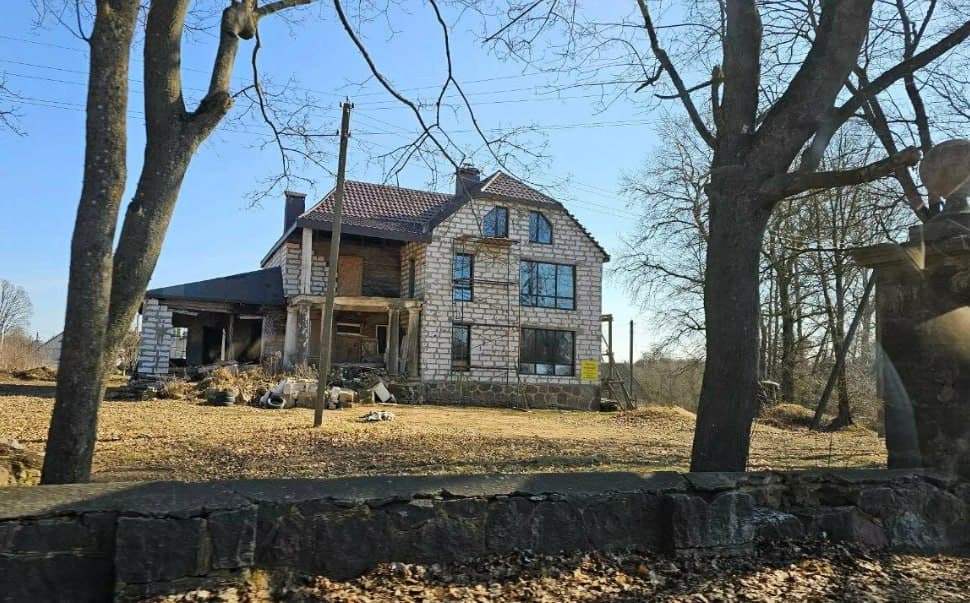
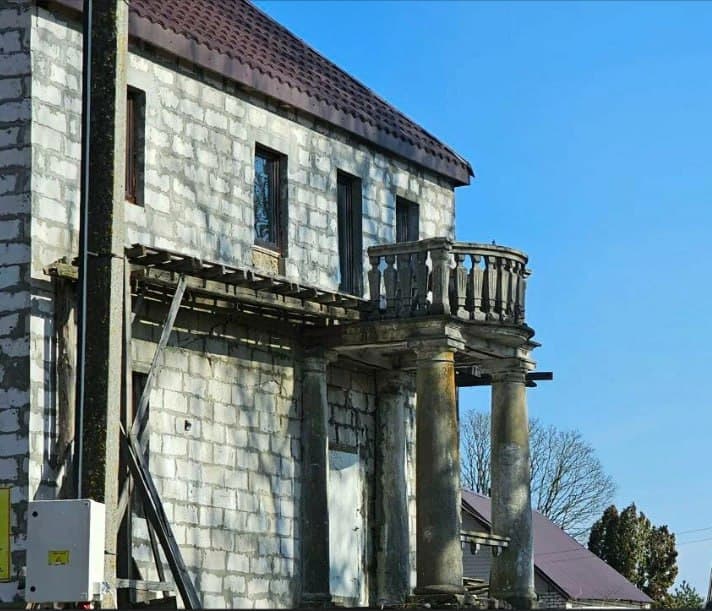
The former estate of the Strugach family in Budenovka is a place with a difficult fate. The estate belonged to the merchant Leiba Strugach, whose yeast factory supplied products to the world market in the 19th century. In 1942, the heirs of the family were shot by the Nazis. The house survived the war, teachers lived in it, but now the building is privately owned. Since 2021, access here is closed. Without the status of a monument, the estate remains a silent witness to history, which is waiting for its new reading.
Categories

On restoration

Historical
Comments
Reviews to the Place
1Ольга Ерёменко
31.03.2026
The Silent Witness of Budenovka: the story of the rise and tragedy of the Strugach Estate
Hidden in the shade of trees on the outskirts of Budenovka is a building whose fate could form the basis of a dramatic novel. Today, this place is surrounded by a fence, the gates are closed to outsiders, and there is that special silence in the air that only happens in houses that have experienced too much. This former estate of the Strugach family is the last silent witness to the rise of an industrial empire, human tragedy and the inexorable passage of time.
The Yeast King and global markets.
In the 19th century, these lands belonged to the merchant Leiba Strugach, a man whose business acumen allowed him to turn a modest provincial enterprise into a global production facility. His yeast factory became not just a local city-forming enterprise, but also a brand whose products crossed the borders of the Russian Empire. Strugach managed to establish technologies that were considered advanced at the time, and his yeast was supplied to European markets, bringing the family not just income, but the status of the industrial elite of the region.
The estate, built next to the factory buildings, was the epitome of prosperity and pragmatism. It was not so much a noble mansion with colonnades as a sturdy merchant's house, where commercial calculation was combined with caring for the family hearth. There was a lot of life here, Yiddish and Russian were spoken, contracts were discussed and plans for the future were made.
Point of no return: 1942.
The war that broke out destroyed everything. The Nazi occupation became a verdict for the Strugach family. In 1942, the heirs of the famous merchant dynasty were shot. Historians and local historians are still collecting information bit by bit, reconstructing the names and fates of those who lived in this house. The manor itself, which miraculously survived the fire of the war, turned into a silent witness to the tragedy of the "Holocaust" in the region.
The house survived the occupation. The walls, which remembered the hum of factory floors and children's laughter, now held the pain of loss. After the liberation, the estate found a new, peaceful purpose - teachers who worked at a local school settled here. For many years, the building became an ordinary apartment building, where front gardens were laid out, stools were brought out on the porch in the evenings and children were raised. During the Soviet period, they preferred not to recall the merchant's past, and they talked about the tragedy of 1942 in whispers.
Between the past and the present.
Perestroika, and then the "dashing" nineties, changed the face of Budenovka. Schools were closing, and the population was shrinking. The estate of the Strugachs, which had lost the status of a residential building, began to deteriorate. However, it still had the same "character" of the old merchant's building - massive walls, high ceiling layout, unique brickwork, which is not present on modern construction sites.
A new milestone in the fate of the estate came in 2021. The building acquired a private owner, and access to the territory was closed to outsiders. From that moment on, the estate became terra incognita. Curious eyes can only see the facade, peeking through the branches of trees, and a blank fence, behind which construction work can sometimes be heard.
An estate without a status.
The main problem of this place today is the legal uncertainty. Having no official status of an architectural or historical monument, the Strugach estate is at risk. Unlike state-protected noble nests, the fate of a merchant's mansion depends entirely on the will and capabilities of the current owner.
The urgency of preserving such places goes far beyond local history. The Strugach estate is a memorial to the Jewish merchants who made a tremendous contribution to the development of industry in Belarus. It is a reminder of how closely success, tragedy and oblivion are intertwined in our history. It is an architectural artifact that can still be saved.
Now Budenovka is losing its identity, and the old houses are disappearing into oblivion along with the last old-timers who remember the pre-war stories. The estate of the Strugach family, though closed, is still standing. Its bricks remember Leiba Strugach, his yeast, which conquered the world market, they remember the war, the shooting of heirs and post-war teachers.
It's waiting. It is waiting for its new reading. Will this new time be a time of restoration and inclusion in the tourist route, or a time of final oblivion? The answer to this question remains with us. In the meantime, the former estate remains the most silent and patient witness to the history of Budenovka.