
Brest. The fort of the letter "Z".
Landmark
Brest, Moscow district
Description
Five kilometers from the Brest Fortress, the fort of the letter "Z", an unfinished giant of 1913, has frozen in eternity. Here, among the rusty canopies of embrasures and concrete labyrinths, the echo of the First World War is intertwined with the history of the 1941 defense. Gloomy casemates, flooded tanks and silent pillboxes preserve the memory of heroism and tragedy. A place where time has stopped forever. Ideal for seekers of forgotten strongholds.
Categories

Ruins

Historical
Comments
Reviews to the Place
1Ольга Ерёменко
13.03.2026
Brest Fortress: the ghost of an unfinished fortress. Walk to Fort "Z"
In the shadow of the majestic citadel of Brest, just five kilometers to the south, hide the mute witnesses of two wars at once. This is a fort of the letter "Z" - a unique monument of fortification, frozen in concrete for many hundred years. It's easy to get here: we drive to the Kotelnya-Boyarskaya bus stop. Already here, at the bus stop, the immersion in history begins.
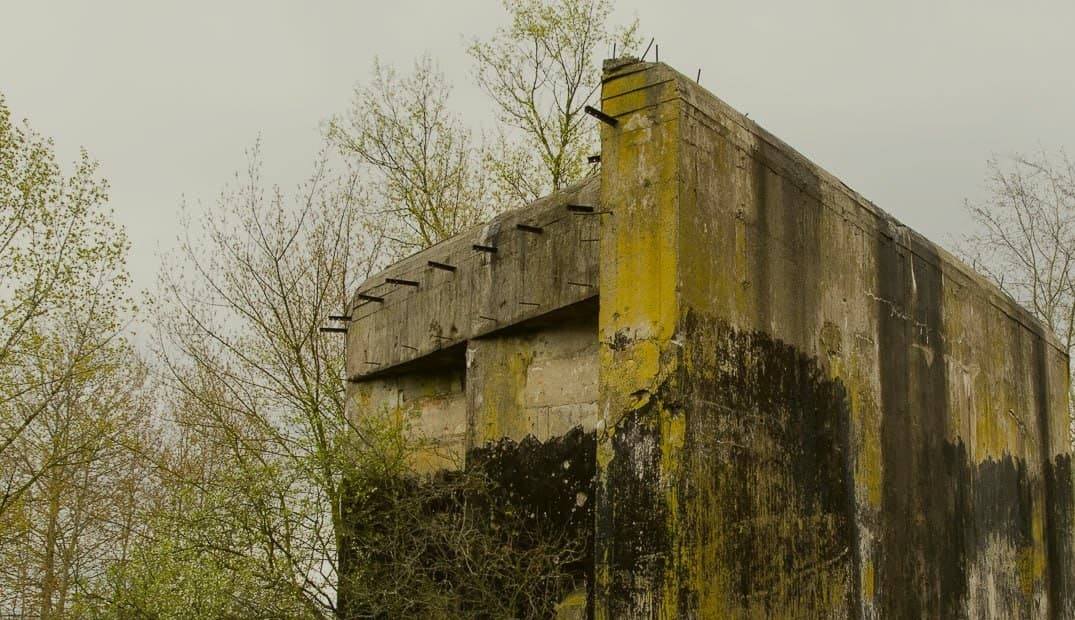
The first to greet us is not the walls of the fort itself, but its younger, but no less formidable neighbors - the concrete giants of the 13th defense node of the Brest fortified area. The massive two-tiered semi-caponier No. 241 immediately catches the eye. Built in 1941, it is 26 years younger than the fort. It is a child of the partition of Poland and the new frontier of the USSR. Its upper tier is the combat compartment, the lower one is the utility rooms. The rusty metal corners on the walls once held a camouflage net hiding the embrasures from the enemy. It makes me shudder to think that somewhere here, in this silence, life was in full swing, soldiers were peering at the horizon, waiting for an attack.
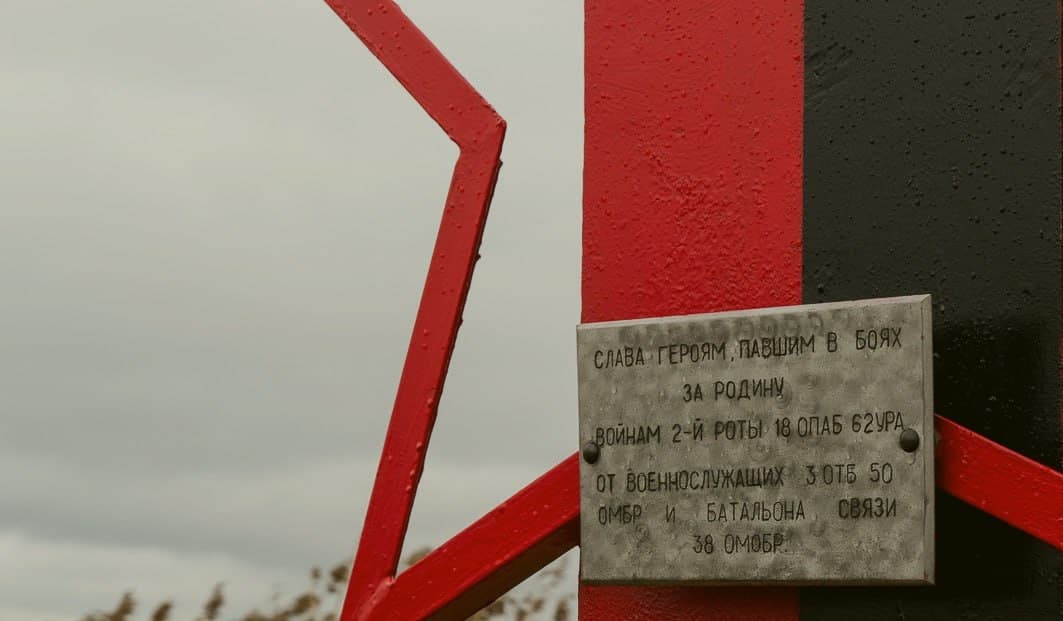
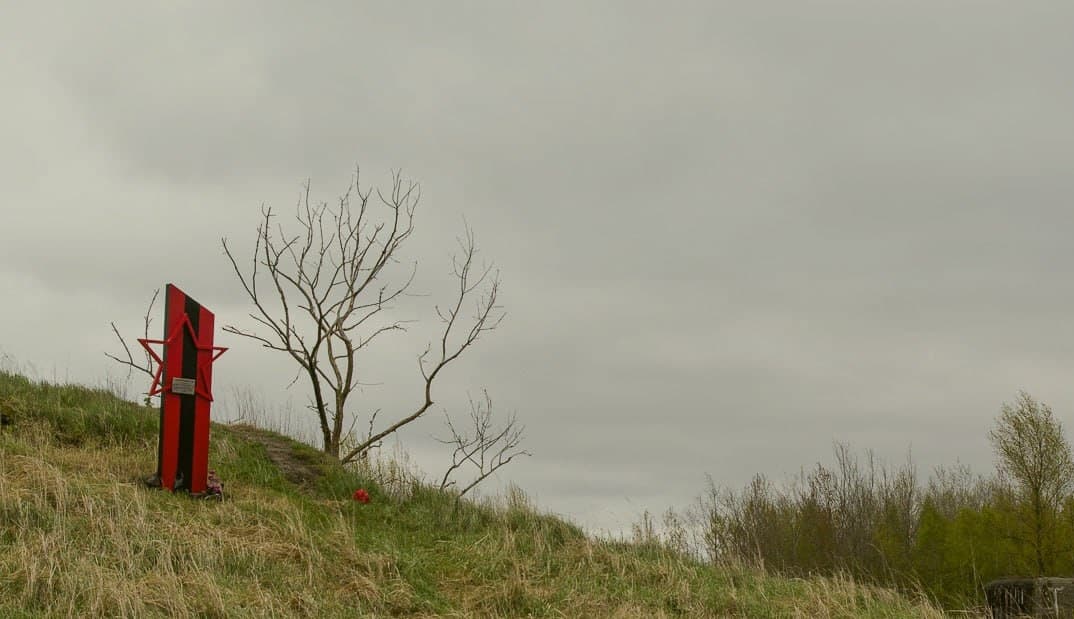
The way to the fort itself lies past a modest monument with a red star. It was installed in honor of the soldiers of the 2nd company of the 18th Machine gun and Artillery battalion. In June 1941, these people repelled 11 attacks by the Wehrmacht at the cost of their lives. The ground here is literally soaked with sweat and blood.
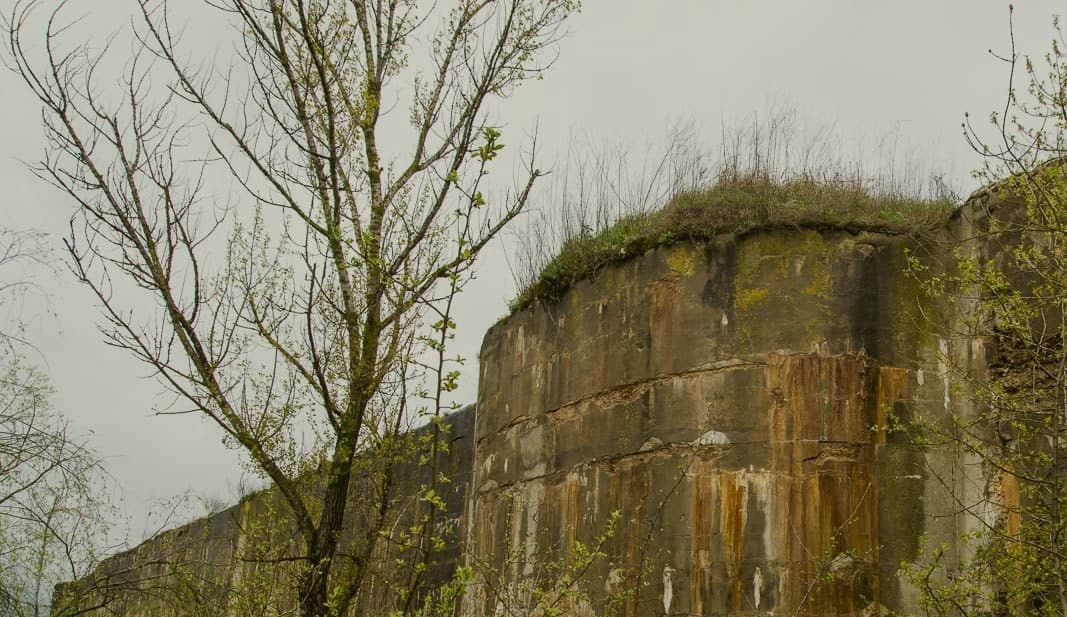
And here it is - the fort of the letter "Z". Its history began in 1913, when the Russian Empire conceived the idea of creating a second line of defense around the fortress, capable of withstanding the latest artillery. Of the 14 planned "literate" forts, this one remained unfinished: in 1915, the Kaiser's troops came here. The fort is only a third complete, and its grandeur can only be estimated from old drawings.
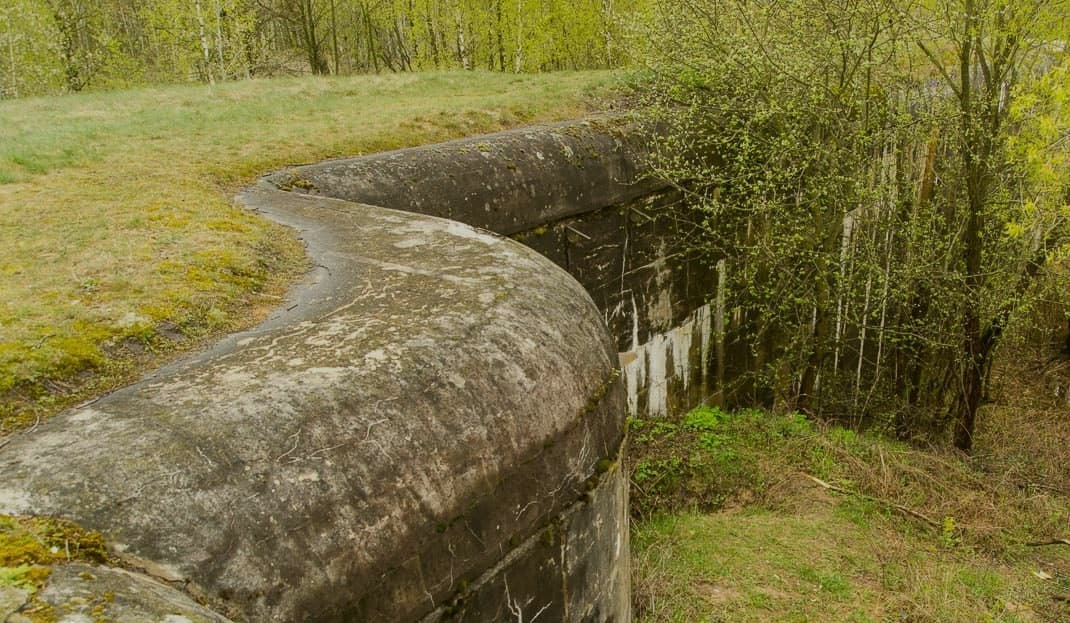
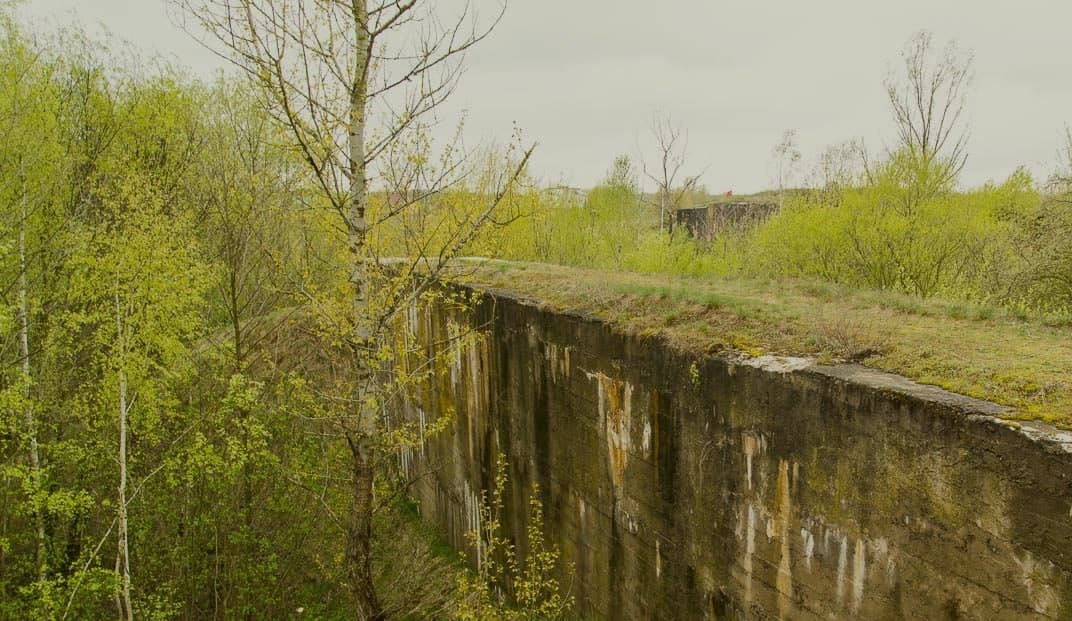
Its architecture is unusual: the head caponier is shifted to the left, and along the front stretches an almost hundred-meter-high shelter - a gloomy corridor underground. The combat casemates protrude forward, their embrasures are partially covered with earth, but in some places the forged visors and holders have been preserved. A walk on the roof of the tavern under a low, heavy sky gives rise to a special feeling - a mixture of admiration for the power of engineering and an oppressive longing for unfulfilled plans and cut short lives.
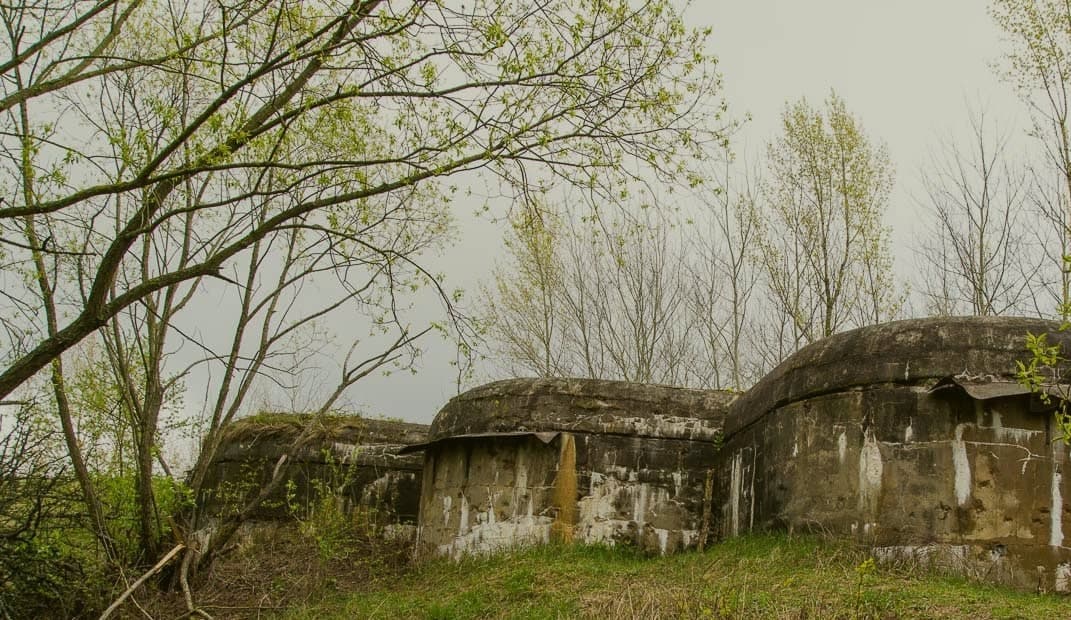
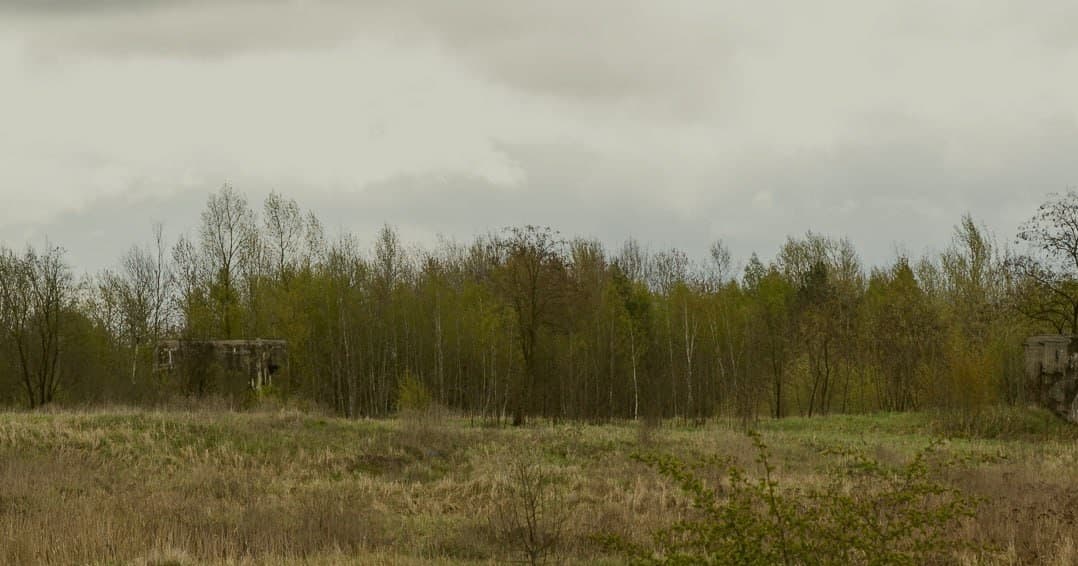
Pillboxes stood like guards around the fort. Here is a two-tiered semi-caponier No. 530 with loopholes aimed at the southwest. Nearby is a tiny pillbox No. 240, as if rooted into the ground. With only two embrasures, he looks at the world, squinting from time to time. And the semi-caponier No. 243 with a single embrasure literally "hung up" because of the sagging soil. The sad fact is that by the 41st year, only three of the 16 pillboxes of the node were able to enter full combat readiness. Their fatal mistake was their location near the border, which allowed German intelligence to easily study their location through binoculars.
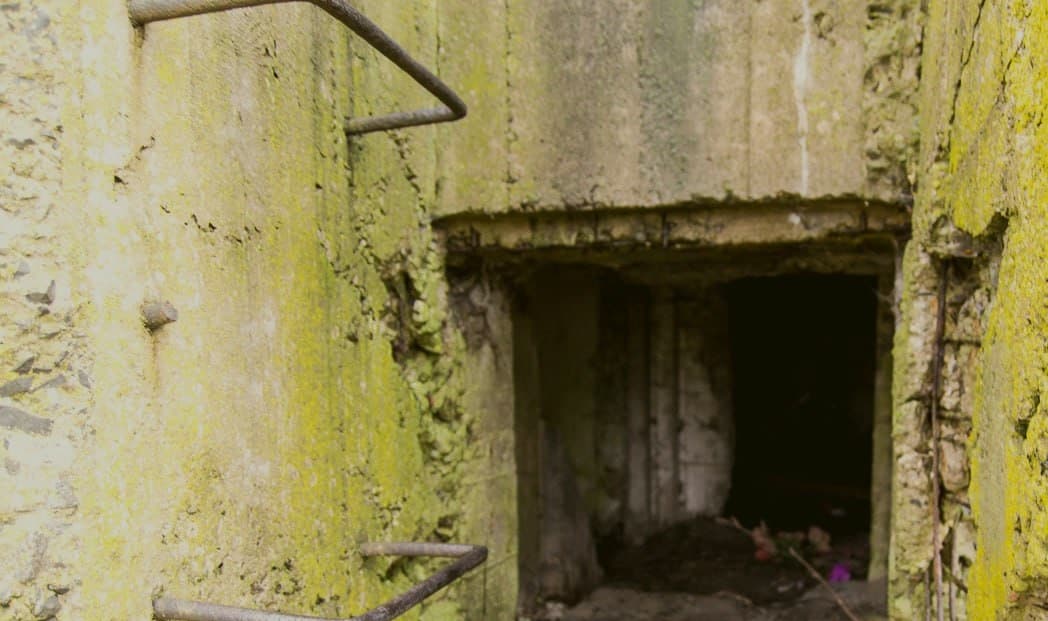
There is eternal cold inside the fort. The silence is broken only by the monotonous sound of drops. A narrow tunnel leads to the dungeon, but most of the lost shelter is flooded. There's nothing to do here without rubber boots. An important rule: such places should not be visited alone, always warn your loved ones about your route. Safety comes first.
And the last, dark secret of the fort: after the war, its premises were used as a warehouse of toxic substances. Fortunately, the staff of the Ministry of Emergency Situations cleared the territory, and today it is safe to walk here.
The letter "Z" fort in Brest is not just a pile of old concrete. It is a place of strength, memory and quiet sorrow. Come here to touch the history, but remember: it is not always a parade. Sometimes it looks like a rusty canopy over an embrasure and a flooded corridor leading nowhere.