
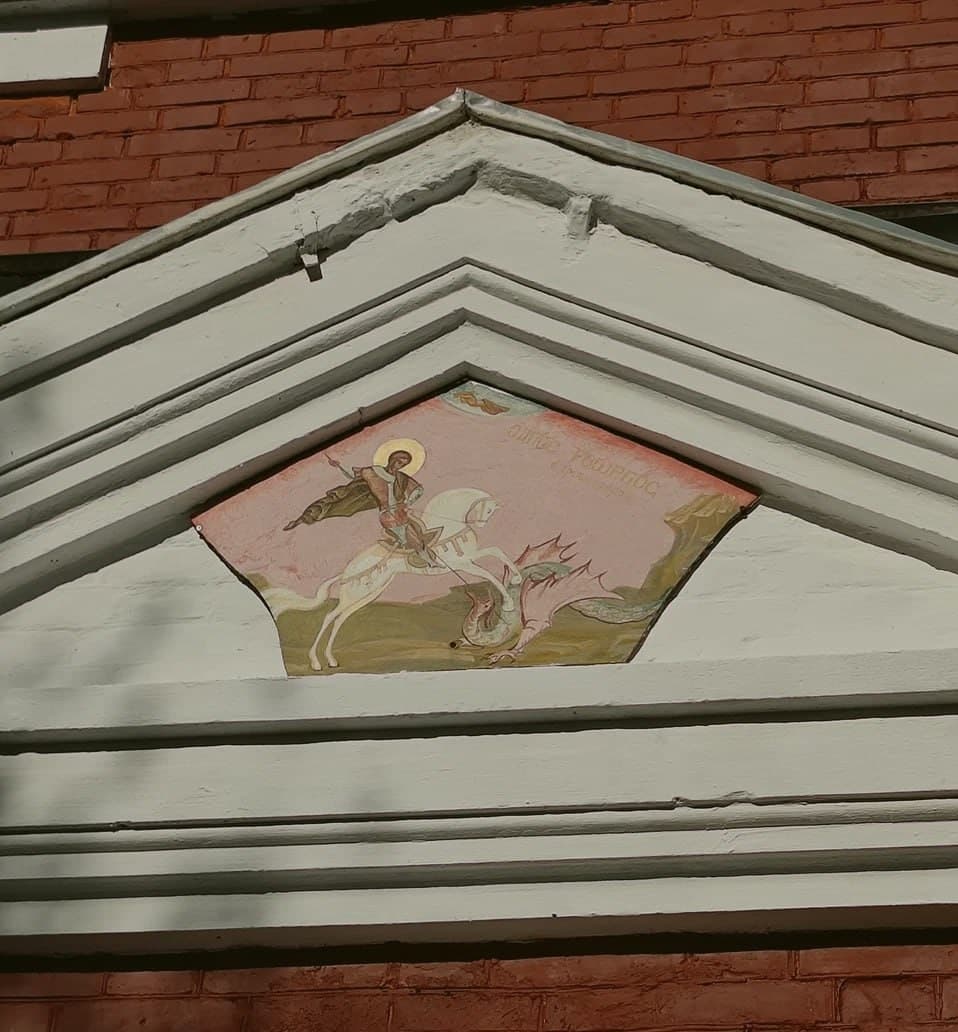
Bolshaya Komarovka. The St. George the Victorious church.
Church
Mogilev Region, Shklovsky District, Bolshaya Komarovka village, Zheleznodorozhnaya str., 93
Description
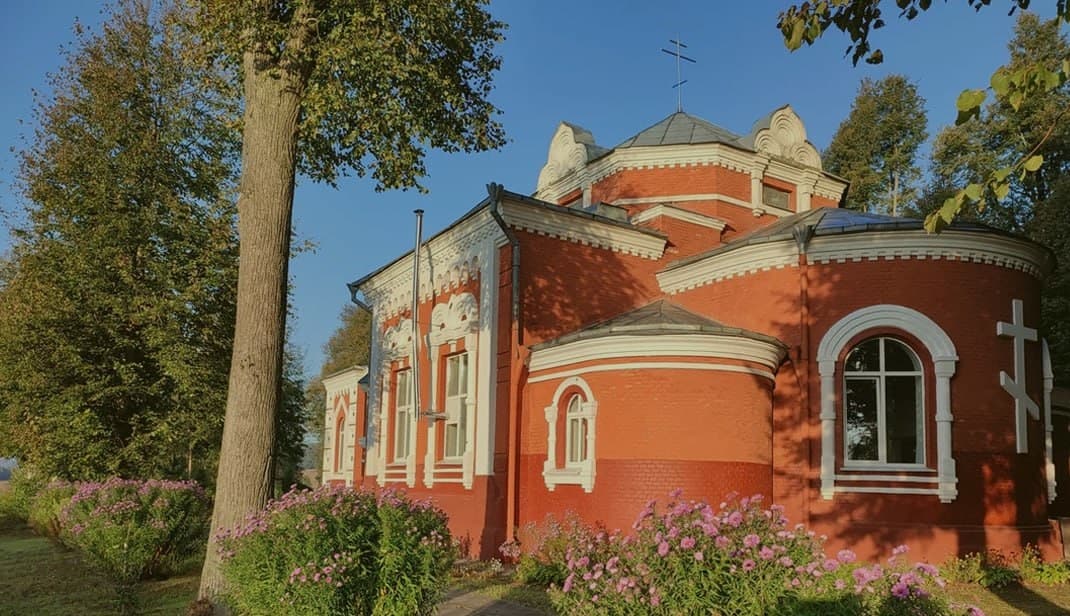
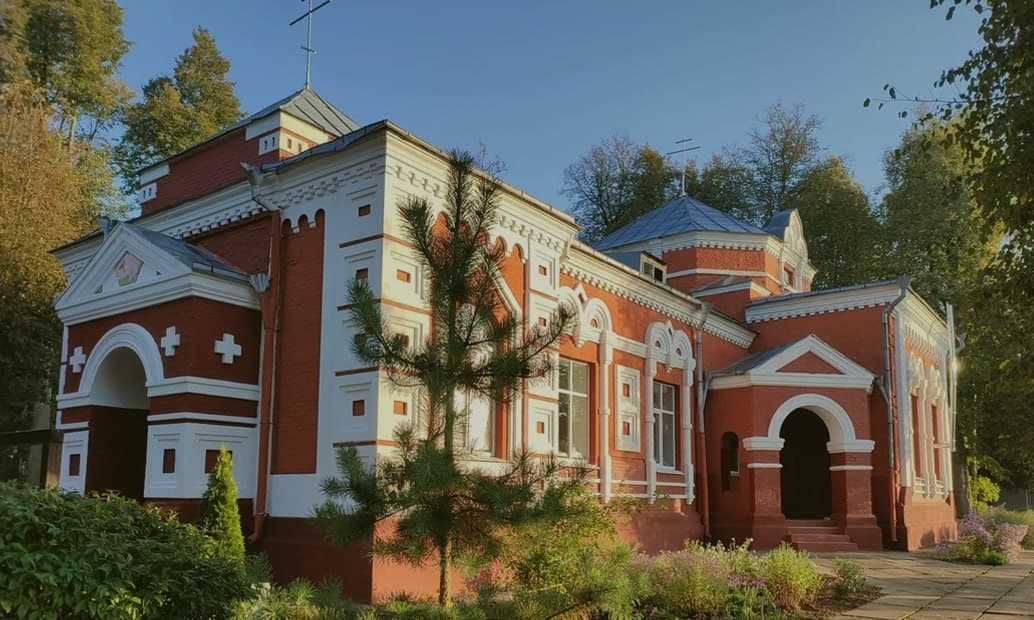
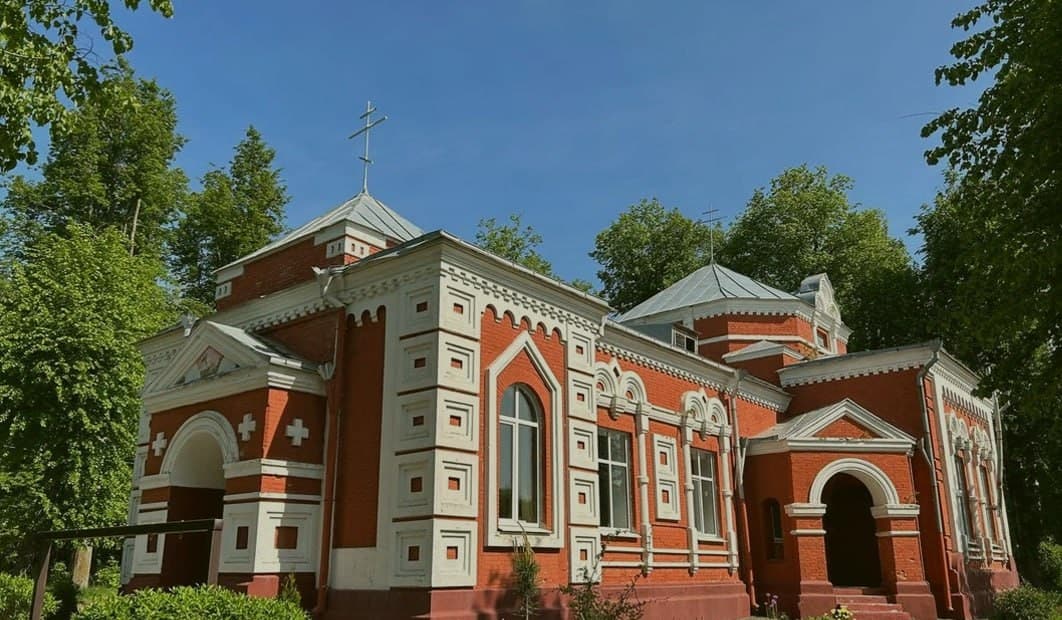
There is a temple with an amazing destiny in the Shklov district of the Mogilev region. The stone church was built in 1903 on the site of an ancient monastery. The construction was carried out with donations from parishioners and the Russian Emperor Nicholas II, and it was consecrated in 1905.
According to legend, the royal family visited here. The daughter of Nicholas II was photographed with peasant children - the picture was kept by local residents for a long time.
In 1934, the church was closed, the crosses and domes were removed. During the war, services resumed, but later the church was turned back into a warehouse, and then into a Cultural center. Only in 2003 the building was returned to the faithful.
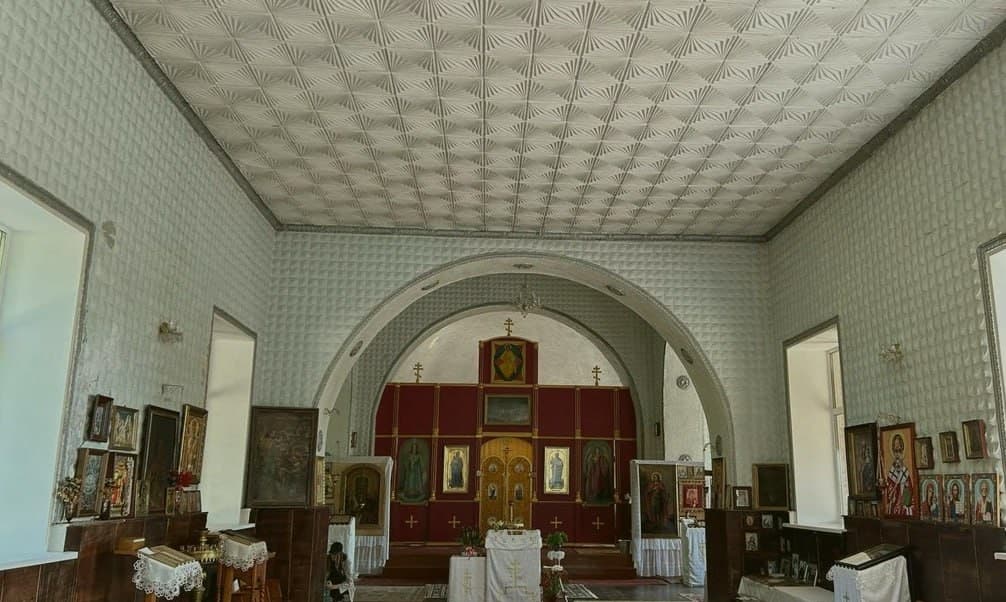
Today the church has been completely restored. Oak crosses shine on the domes, and ancient traditions are carefully preserved inside. The main shrine is the miraculous icon "The Helper in Childbirth". There is a museum with old photographs and documents attached to the temple.
Categories

Historical

Architectural monument
Comments
Reviews to the Place
1Ольга Ерёменко
26.07.2026
St. George's Church in Bolshaya Komarovka: a witness of three epochs.
In the very heart of the Shklov district of the Mogilev region, among the fields and woods of the Belarusian countryside, there is an amazing temple. His story is not just a series of dates, but a living testimony to how faith, national memory and love for his native land are able to overcome even the most severe trials.
The stone church in the name of the Great Martyr George the Victorious appeared in the village of Bolshaya Komarovka in 1903. However, it was preceded by a long history: St. George's Monastery existed on this site from ancient times, the wooden monastery of which fell into disrepair by the end of the 19th century.
The construction initiative belonged to local parishioners, who raised funds from all over the world. But the main miracle happened when the news of the pious undertaking reached St. Petersburg. Emperor Nicholas II, who deeply revered St. George, donated a significant amount of his personal funds. It was this royal participation that allowed the construction of a solid stone church, which was solemnly consecrated in 1905.
Old-timers carefully pass amazing stories from mouth to mouth. It is said that during one of the trips to Belarus, the royal family visited this modest rural church. Especially touching is the memory of how Nicholas II's daughters, the Grand Duchesses, were photographed with peasant children. One of these photographs has been kept by local families for many years as a priceless relic connecting ordinary people with the imperial house.
The revolutionary storms did not bypass the temple. In 1934, at the height of the anti-religious campaign, the church was closed. The domes lost their crosses, the bells were thrown down, and the interior was destroyed or looted. It seemed that the spiritual life in this place had been extinguished forever.
But in 1941, with the advent of the occupation, the unexpected happened. Local residents, longing for prayer and solace, appealed to the new authorities with a request to open the temple. And the miracle happened - the divine services resumed. People again reached out to the walls, where their grandfathers and great-grandfathers baptized children, married and buried loved ones. The church became an island of hope during the dark years of the war.
However, after the liberation of Belarus, a new disaster befell the temple. It was closed again, and this time for a long time. First, a warehouse of mineral fertilizers was set up in the building - caustic chemicals corroded the ancient masonry and paintings. Then, in relatively peaceful times, the church was turned into a rural House of Culture. Music sounded here, dancing thundered, and the walls, remembering the royal prayers, looked on indifferently at what was happening. The years of oblivion stretched on for decades.
The turning point came in October 2003. At the numerous requests of the faithful and with the active assistance of the local authorities, the building was returned to the Orthodox community. The people faced an almost impossible task: to raise a temple from ruins and desolation, which was once again to become a spiritual center for the entire neighborhood.
The restoration lasted several years. They worked all over the world - some with money, some with building materials, some with their own hands. The restorers literally restored the architectural appearance of the church bit by bit: they restored the arches to their former smoothness, and the domes were rebuilt. Oak crosses, which are shining in the sun today, have become a special pride. They were installed according to an ancient tradition as a symbol of the indestructibility of faith.
Golgotha appeared next to the temple, a memorable place where one can pray for perseverance and repentance. The interior, although it does not repeat the pre-revolutionary luxury, breathes genuine warmth. They try to preserve the old liturgical traditions here: special singing, old rules, which are so appreciated by local parishioners.
Today, the icon of the Mother of God "The Helper in childbirth" is considered the main pearl of the church. This is not just an ancient image, it is a miraculous shrine that attracts pilgrims from different parts of Belarus and even from abroad. Women pray in front of her for a successful birth, for the health of their children and the gift of heirs.
Many testimonies of help are kept in the church chronicle and in the thank-you notes that believers leave.
There is a small but very spiritual museum attached to the temple. Its windows feature black-and-white photographs of parishioners from the early 20th century, old liturgical books with notes by priests, and documents telling about the life of the church in different eras. Of particular interest are the records of the royal donation and the story of the photograph of the Grand Duchesses. The museum has become a place where schoolchildren come on excursions and where the descendants of local residents return to touch the history of their kind.
Behind the churchyard stands a small picturesque hill lined with birch trees. The white-barrelled beauties seem to cherish the peace of this place. Local legend says that the clergy who once served in the parish found eternal rest here. Who are these shepherds? The names have not been preserved, but the national memory holds fast to this legend. Parishioners carefully take care of the hill, considering it a holy place where the prayer of bygone generations is invisibly present.
Today, St. George's Church in Bolshaya Komarovka is not just an architectural monument or a tourist attraction. This is a living, functioning church, where the Liturgy is performed every Sunday, where children are baptized and newlyweds are married. There is a special grace here, one that is born of tears, hard work, and the shared joy of rebirth.