
Benyakoni. Railway station.
Landmark
Grodno region, Voronovsky district, Benyakoni agro-town, Vokzalnaya Street, 5
Description
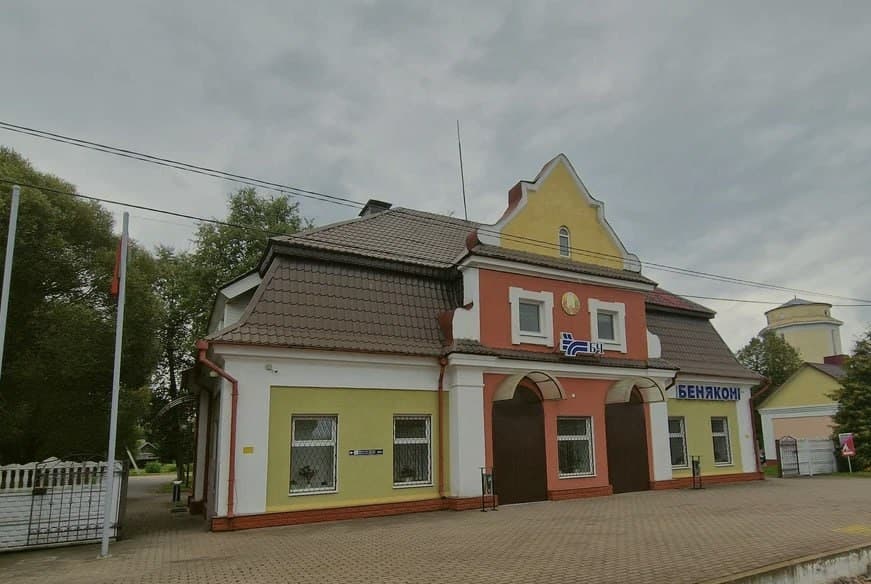
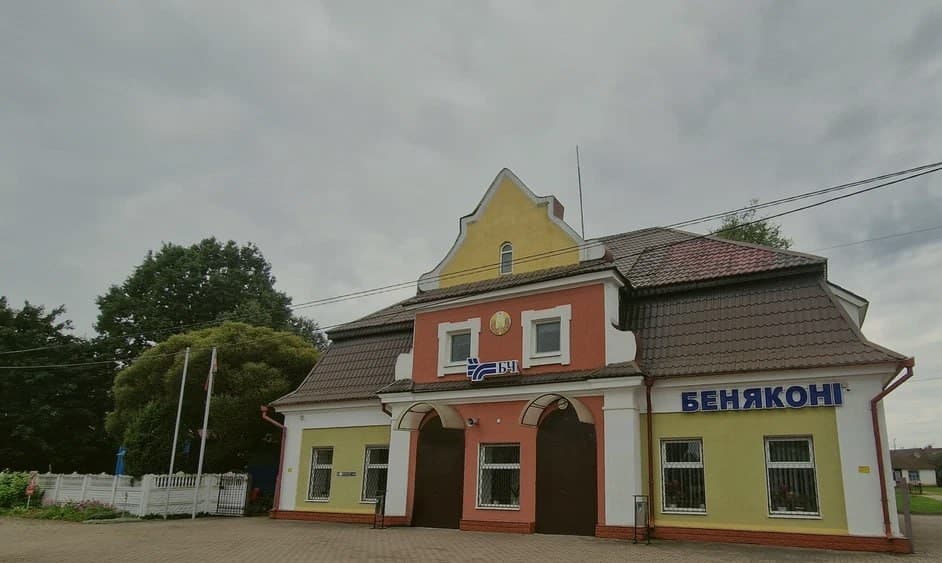
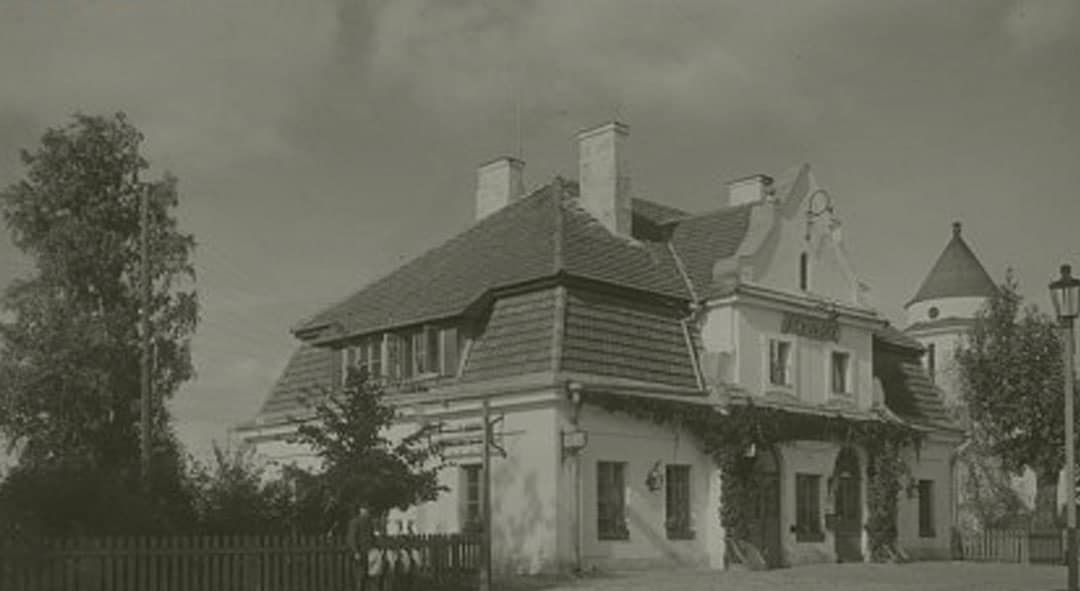
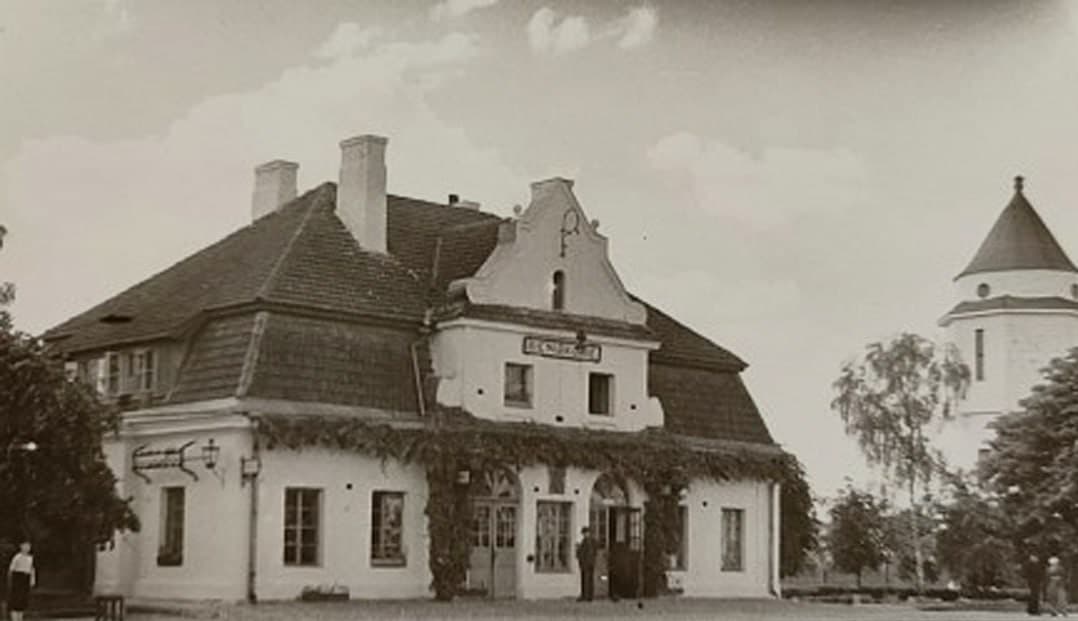
The Benyakoni railway station in the Grodno region is a living witness to history and an important transport hub on the border of Belarus and Lithuania. Opened in 1884 on the Vilno–Lida line, it has been connecting the regions for more than a century, having survived the era of steam locomotives, world wars and the change of state borders. Today it is a 4th class passenger station, where you can buy tickets and travel on regional trains. Historical buildings have been preserved here, including an old water tower. Learn about the architecture, timetable, and fate of this frontier "bridge in time".
Categories

Historical

Architectural monument
Comments
Reviews to the Place
1Ольга Ерёменко
19.03.2026
Border Bridge in time: the history of Benyakoni Railway Station
In the southwest of the Grodno region, in the agro-town of Benyakoni (Voronovo district), there is a railway station that has been playing the role of a link between Belarus and Lithuania for more than 140 years. The Solcha River has long served as a natural border, dividing these lands into the Lida and Vilno districts, and later into two states. It was the railway that became the "bridge" that overcame this barrier, connecting regions and people's destinies.
From steam locomotives to electric trains: historical milestones.
The history of the station began during the era of rapid railway construction in the Russian Empire. The St. Petersburg-Warsaw Railway was the first to run on Belarusian lands (1862), and on November 9, 1882, traffic opened on the Vilno–Lida branch. Already in 1884, along with the launch of this line, Benyakoni station opened its doors to passengers.
Interestingly, the construction of roads then faced public distrust. The arguments that steam locomotives would prevent cows from grazing, poison the air, and scare birds away were seriously discussed in the press of that time. However, the practical benefits quickly dispelled all doubts: the journey from Benyakoni to Vilno was reduced to two hours (later to an hour and ten minutes), and the need for inns to change horses was a thing of the past.
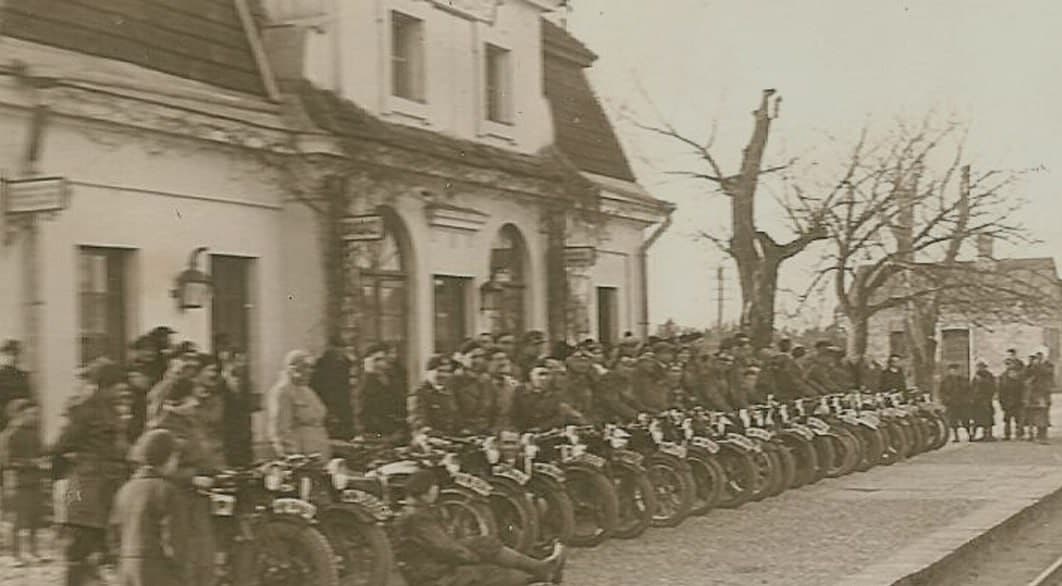
The station witnessed the turbulent events of the 20th century. In 1919, detachments of Polish and foreign troops were formed here. In memory of the liberation of Vilno in the spring of 1939, a memorial plaque was erected on the station building. The Great Patriotic War became a tragic page: the Nazis carried out a mass exportation of the Jewish population through the station.
Architecture and infrastructure: yesterday and today.
The station complex has preserved its historical features. In addition to the passenger building, you can see a water tower and other outbuildings typical of that era.
From the point of view of railway infrastructure, Benyakoni has always been an important hub. In Soviet times, she reached the peak of her development, receiving the 2nd grade. More than 30 trains a day passed through the station, carrying about 110,000 tons of cargo, and the popular Lida–Vilnius routes were real "popular".
With the collapse of the Soviet Union, the station's status changed: freight traffic was transferred to Lida, warehouses were demolished, and a customs and border post were located in the station building. The station became exclusively a passenger station and was downgraded in class.
The station is today.
Currently, Benyakoni station belongs to the Baranovichi branch of the Belarusian Railway (Lida-Benyakoni line) and has the 4th class. This is an intermediate station where tickets are sold for all passenger trains (baggage is not accepted or dispensed).
Today, regional economy class trains run through the station. The station is still an important point for residents of the agro-town and the surrounding area, connecting them with the district and regional centers.
Benyakoni Railway Station is not just a stopover. It is a living monument of history, which, despite the change in political formats and transport priorities, continues to fulfill its main mission: to connect people and open paths.